Services
Tuberculosis
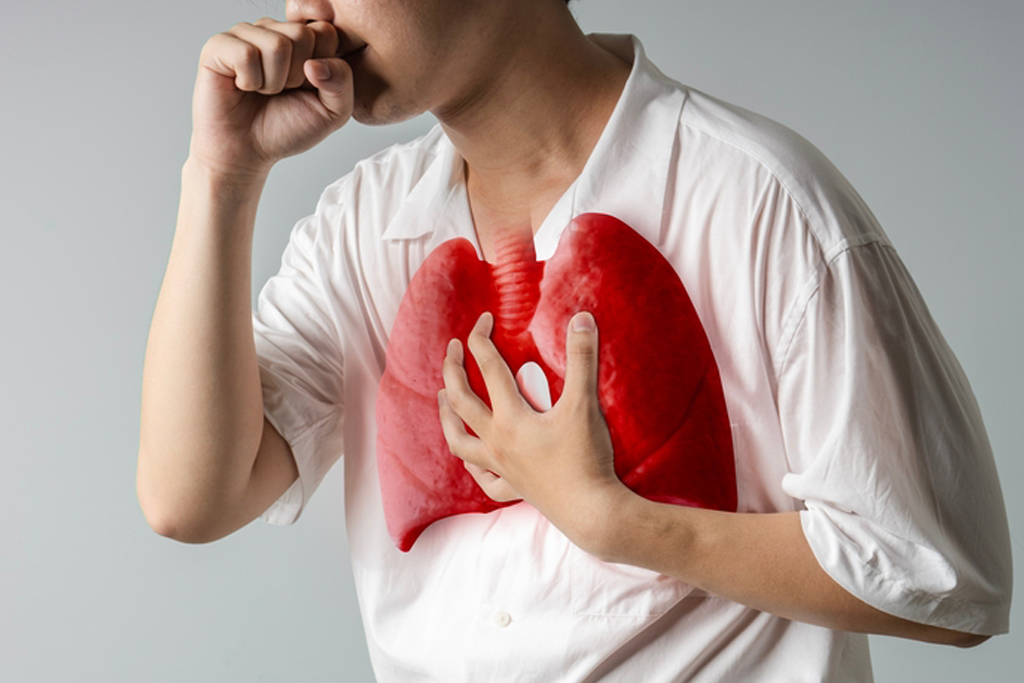
Tuberculosis (TB) is a treatable and curable disease, but it requires a strict, long-term medication regimen to ensure all bacteria are eradicated and to prevent drug resistance.
Book Now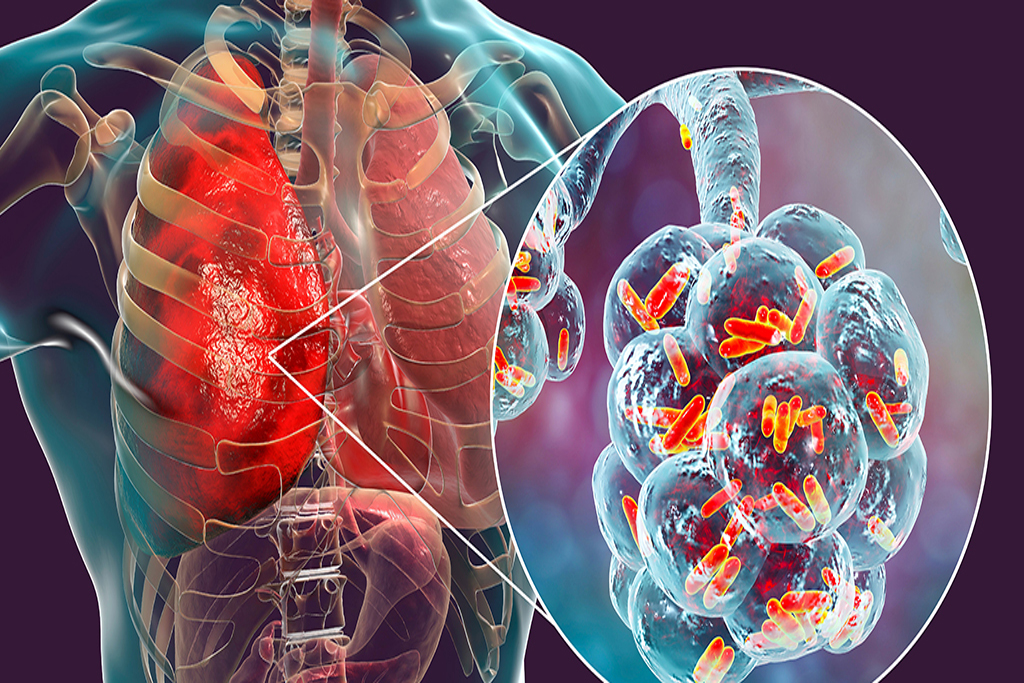
Pneumonia
Pneumonia treatment depends on its cause (bacteria, virus, or fungus) and your overall health. Mild cases are treated at home with antibiotics (if bacterial), fever reducers, rest, and hydration.
Book Now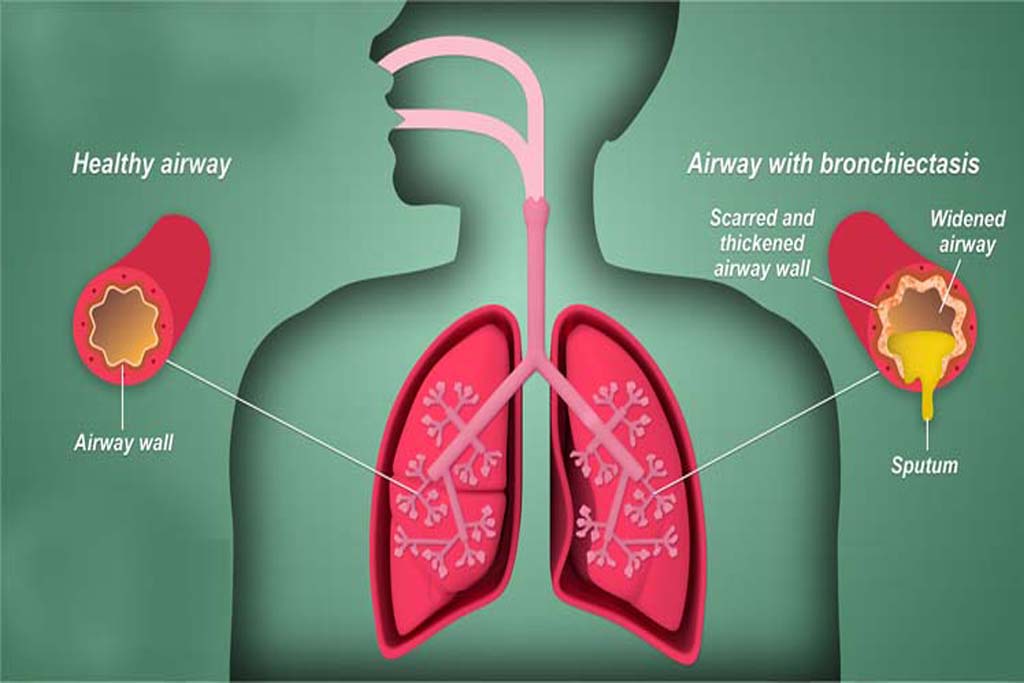
Brinchiactasis
Bronchiectasis treatment focuses on clearing mucus from the airways, controlling infections, reducing inflammation, and preventing further lung damage.
Book Now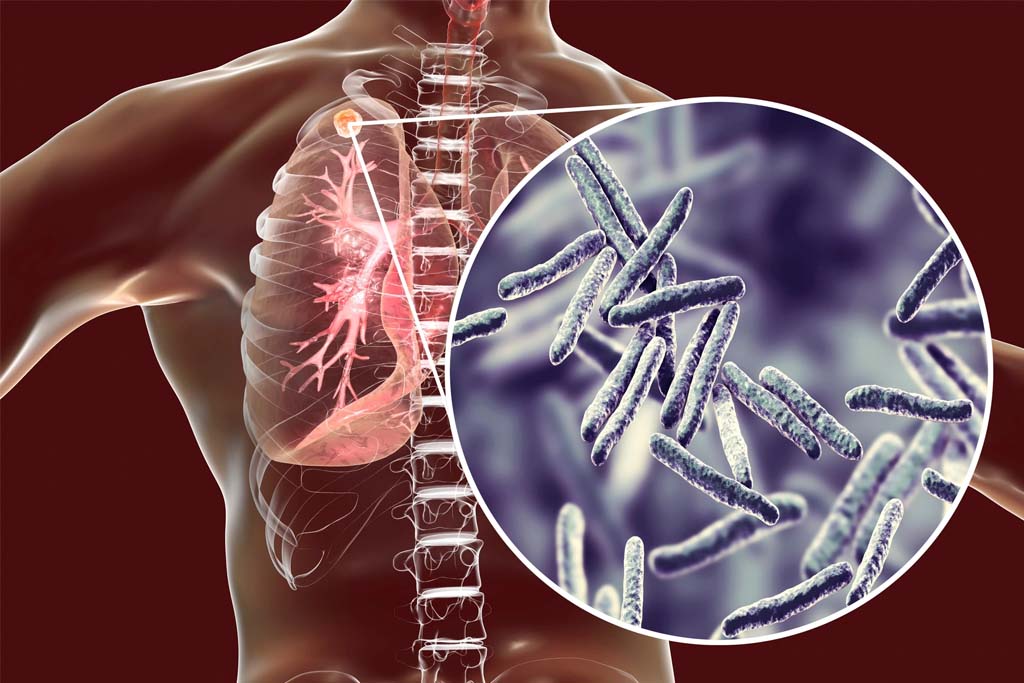
Post TB Sequalae
Post-tuberculosis (TB) sequelae primarily involve chronic lung damage (PTLD), resulting in breathlessness, chronic cough, and airway obstruction.
Book Now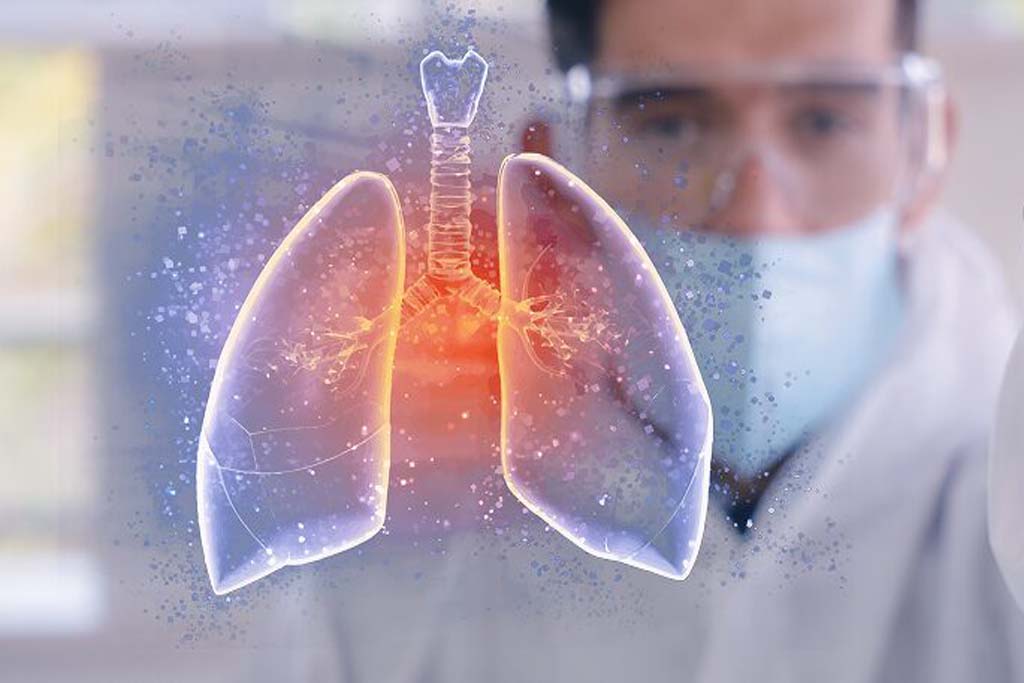
Post Covid lung complications
Post-COVID lung complications are typically treated through a combination of structured pulmonary rehabilitation, oxygen therapy, and targeted medications like corticosteroids or antifibrotics, depending on the specific type of damage.
Book Now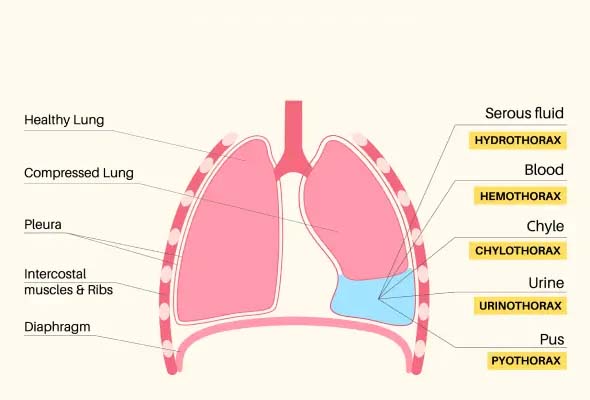
Pleural effusion
Pleural effusion, often called "water on the lungs," is the abnormal buildup of excess fluid between the layers of the pleura-the thin membranes lining your lungs and chest cavity. It makes breathing difficult by compressing the lungs.
Book Now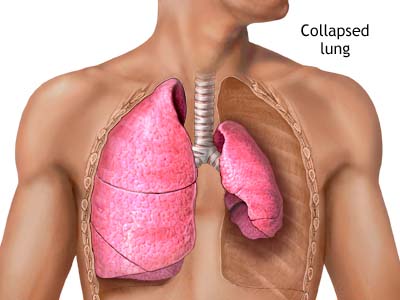
Pneumothorax
A pneumothorax (collapsed lung) is a medical emergency where air leaks into the pleural space between your lung and chest wall. This trapped air builds pressure, preventing the lung from fully expanding. Symptoms include sudden, sharp chest pain and shortness of breath.
Book Now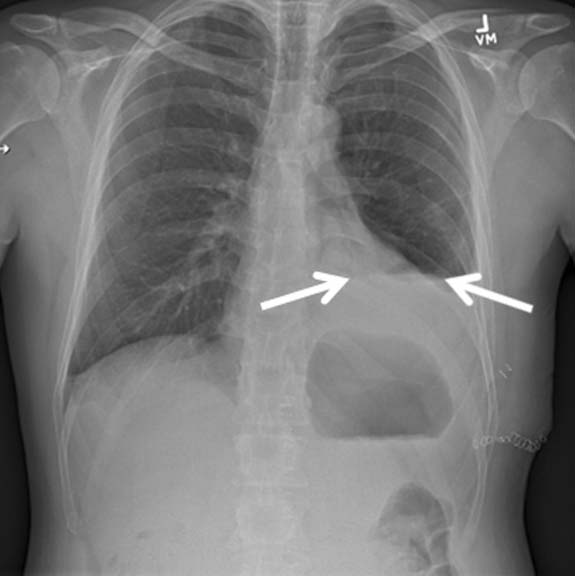
Hydro Pneumothorax
Hydropneumothorax is the concurrent presence of both air and fluid in the pleural space (the area between the lung and the chest wall). This dual presence causes the lung to collapse, often leading to acute chest pain, coughing, and shortness of breath.
Book Now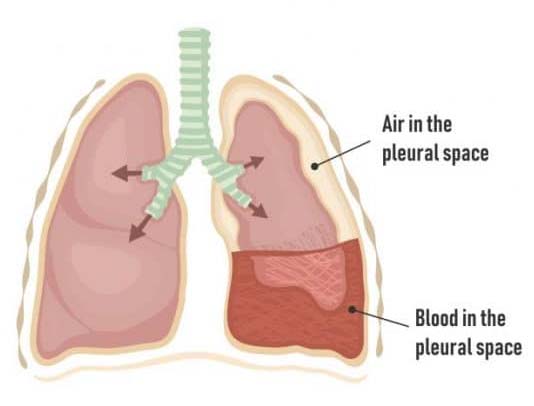
Haemothorax
A haemothorax (or hemothorax) is a medical emergency where blood collects in the pleural space-the thin, fluid-filled cavity between your lungs and chest wall. As blood pools, it puts pressure on the outside of the lung, causing it to partially or completely collapse.
Book Now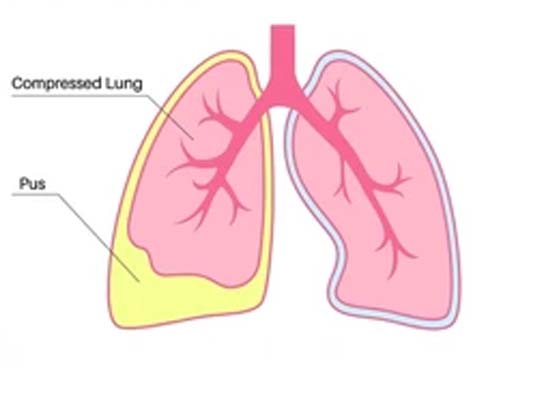
Pyothorax
Pyothorax (also known as pleural empyema) is a life-threatening medical condition characterized by the accumulation of pus and infected fluid in the pleural cavity-the space between the lungs and the inner chest wall. It prevents the lungs from expanding properly, causing severe breathing difficulties.
Book Now
Eosinophilia
Eosinophilia is a medical condition characterized by an unusually high number of eosinophils-a type of disease-fighting white blood cell-in your blood or tissues. It is typically identified via a routine Complete Blood Count (CBC) test when levels reach or exceed 500 eosinophils per microliter of blood.
Book Now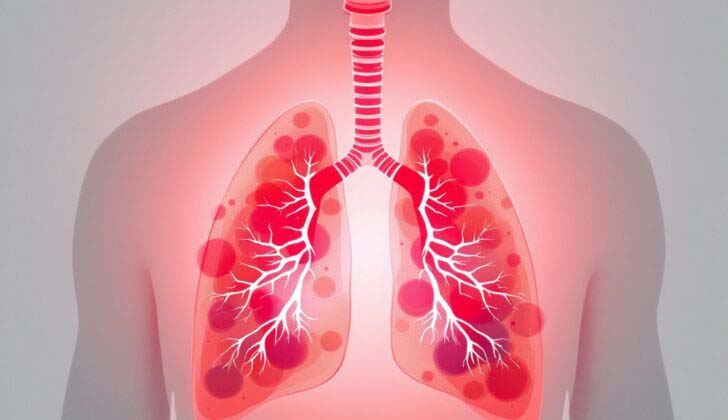
Tropical pulmonary eosinophilia
TPE is a hypersensitivity reaction to the microfilariae of lymphatic filariae (primarily Wuchereria bancrofti and Brugia malayi) trapped in the lungs. Endemic to tropical regions like Southeast Asia and India, it typically presents with severe nocturnal cough, wheezing, and extremely high eosinophil counts.
Book Now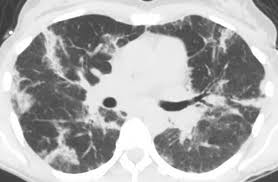
Eosinophilic lung diseases
Eosinophilic lung diseases comprise a diverse group of conditions, including acute and chronic eosinophilic pneumonia, Loffler Syndrome, allergic bronchopulmonary aspergillosis, Hypereosinophilic Syndrome and eosinophilic granulomatosis with polyangiitis. These conditions are characterised by an abnormal accumulation of eosinophils in the lung tissues.
Book Now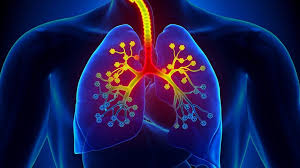
Asthma
Asthma is a chronic lung disease that causes your airways to become inflamed, swell, and produce extra mucus, making it difficult to breathe. While it cannot be cured, it can be highly managed with proper medication, regular monitoring, and trigger avoidance. Common asthma triggers include allergies (like pets or pollen), smoke, cold weather, exercise, strong smells and stress. Asthma attacks can be fatal if not treated.
Book Now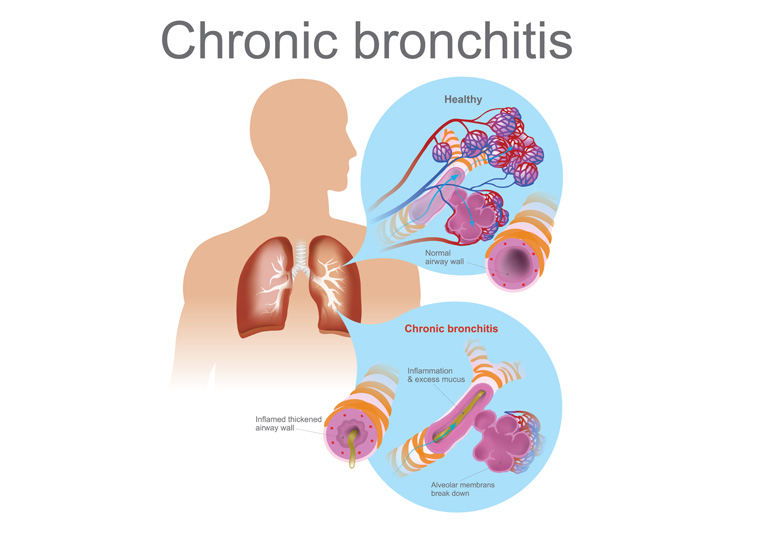
Chronic Bronchitis
Chronic bronchitis is a long-term inflammation of the airways that produces a daily cough with mucus for at least three months out of the year for two consecutive years. It is a form of COPD where your lungs get inflamed and fill with mucus. It is primarily caused by smoking or prolonged exposure to lung irritants. While not curable, it is highly treatable.
Book Now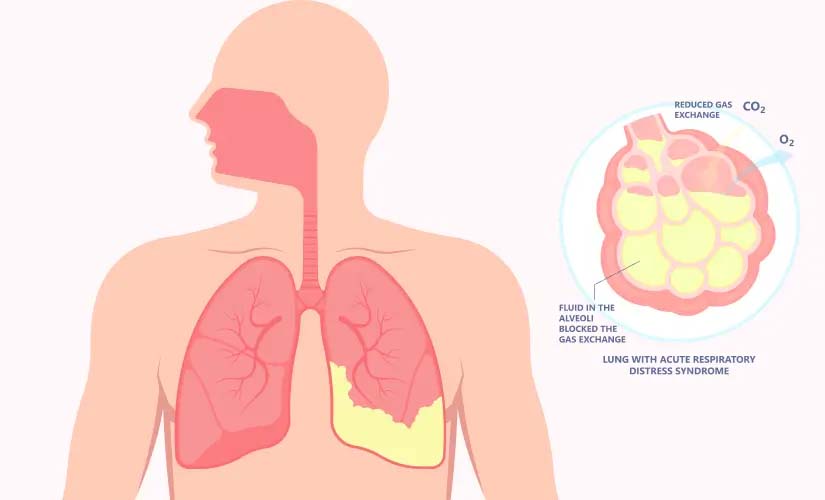
Acute Bronchitis
Acute bronchitis is a short-term inflammation of the airways (bronchi) in your lungs, usually triggered by a viral infection like the common cold or flu. It causes a persistent cough, mucus production, and chest soreness. Most cases resolve on their own within 1 to 3 weeks and do not require antibiotics.
Book Now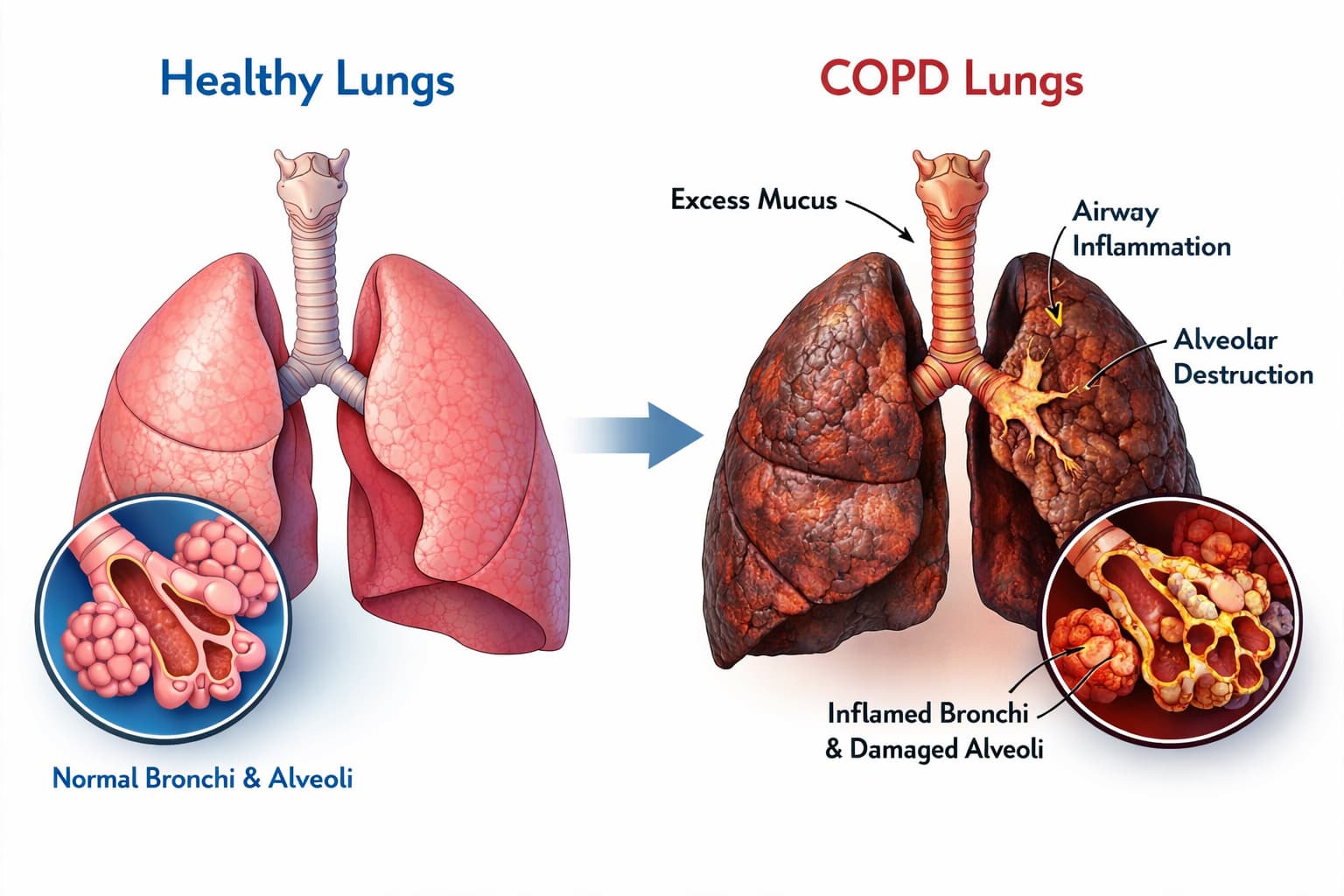
COPD
Chronic Obstructive Pulmonary Disease (COPD) is a progressive, long-term lung disease that restricts airflow, making it difficult to breathe. It primarily encompasses two conditions: emphysema (damaged air sacs) and chronic bronchitis. The leading cause is long-term exposure to airborne irritants, most notably tobacco smoke.
Book Now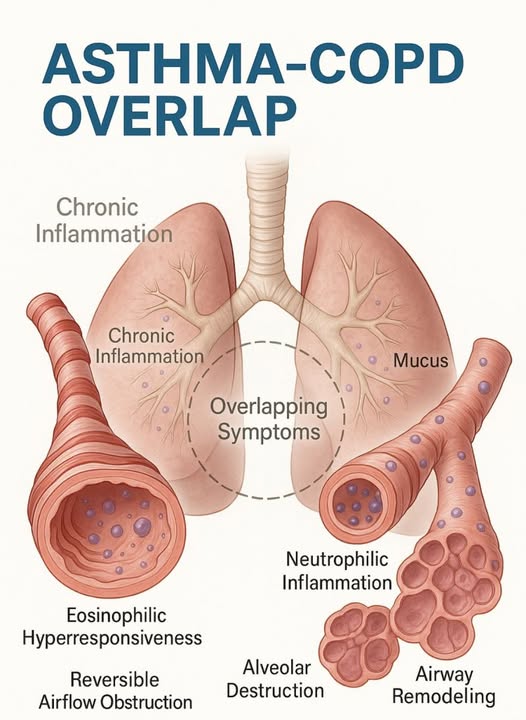
Asthma COPD overlap
Asthma-COPD Overlap (ACO) occurs when a patient presents with persistent airflow limitation alongside clinical features of both asthma and chronic obstructive pulmonary disease (COPD). It is not considered a distinct disease but rather a classification to help doctors select the most appropriate treatment.
Book Now
Small airways disease
Small airways disease (SAD) refers to a group of conditions that damage, inflame, or block the bronchioles-the tiny air passages in the lungs measuring \(2\text{ mm}\) or less in diameter. It is a major, often silent driver of airflow obstruction in asthma and COPD.
Book Now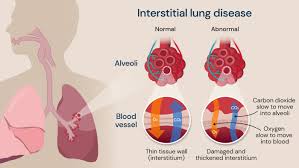
Interatial lung diseases
Interstitial lung disease (ILD) refers to a large group of more than 200 disorders that cause progressive inflammation and scarring (fibrosis) of the tissue between the tiny air sacs in your lungs. This scarring stiffens the lungs, making it difficult to breathe and absorb oxygen into the bloodstream.
Book Now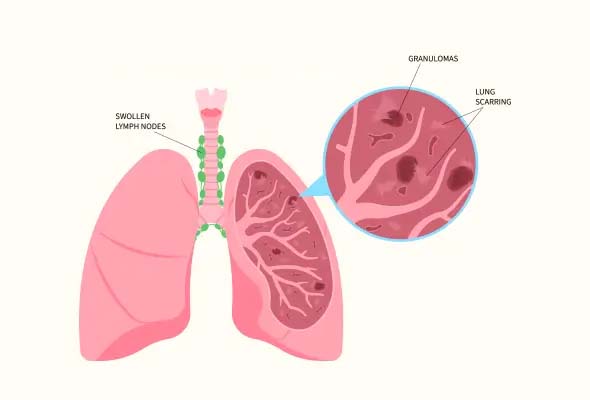
Sarcoidosis
Sarcoidosis is a systemic inflammatory disease where the immune system overreacts, forming clusters of inflamed cells called granulomas in one or more organs. It most commonly affects the lungs and lymph nodes, but it can develop in any part of the body, including the skin, eyes, and heart.
Book Now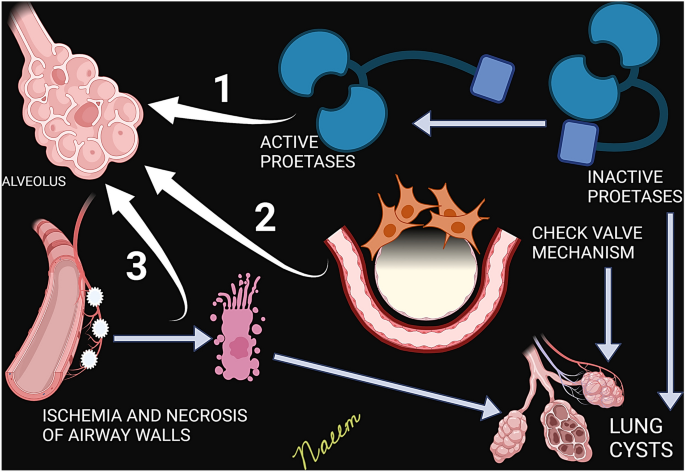
Cystic lung diseases
Cystic lung diseases (CLDs) are a diverse group of disorders characterized by the presence of multiple, thin-walled, air-or fluid-filled sacs (cysts) within the lung tissue. Because they share similar imaging appearances but have drastically different causes and treatments, accurately diagnosing the specific underlying condition is vital.
Book Now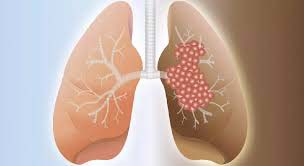
Idiopathic pulmonary fibrosis
Idiopathic pulmonary fibrosis (IPF) is a rare, progressive lung disease that causes irreversible scarring of the lung tissue for unknown reasons. This scarring makes the lungs stiff, resulting in shortness of breath and a dry cough. While the exact cause remains unknown, it is most common in older adults and strongly linked to smoking and genetics.
Book Now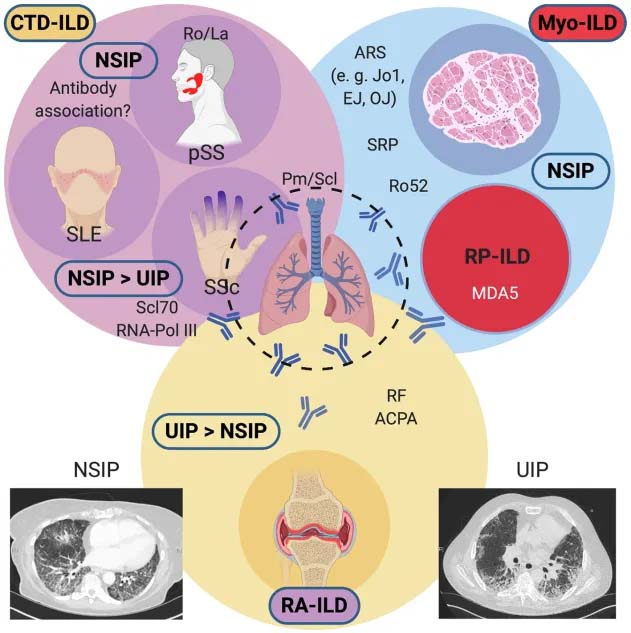
CTD-ILD
Connective tissue disease-interstitial lung disease (CTD-ILD) is a heterogenous group of interstitial lung disease and results from rheumatic immunity and multiple manifestations of respiratory complications affecting the airways, vessels, lung parenchyma, pleura, and respiratory muscles in certain patients with connective tissue disease.
Book Now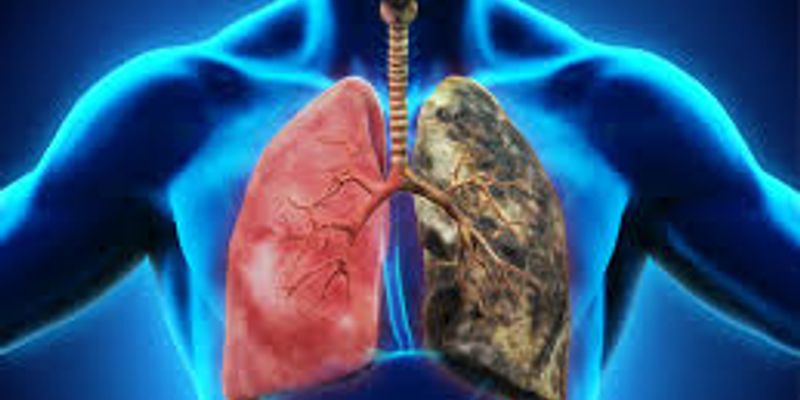
Occupational lung diseases
Occupational lung diseases are preventable respiratory conditions caused or worsened by inhaling harmful dusts, chemicals, gases, or fumes in the workplace. While treatments help manage symptoms and slow progression, the lung damage is typically irreversible, making strict workplace protection and early detection essential.
Book Now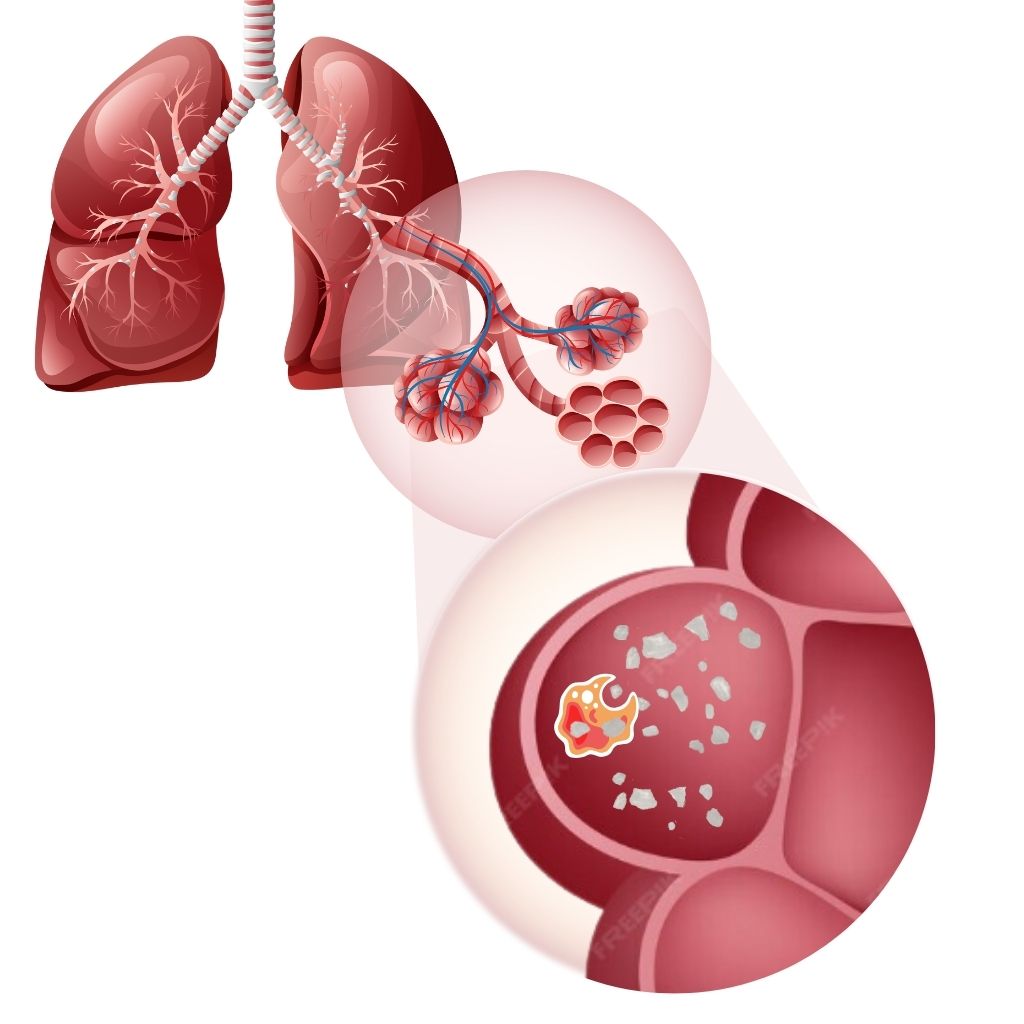
Silicosis
Silicosis is a progressive, incurable lung disease caused by inhaling fine crystalline silica dust, typically over many years of occupational exposure. This dust causes irreversible inflammation and scarring (fibrosis) in the lungs, leading to severe breathing difficulties. It is a leading occupational hazard in mining, construction, and stone-cutting.
Book Now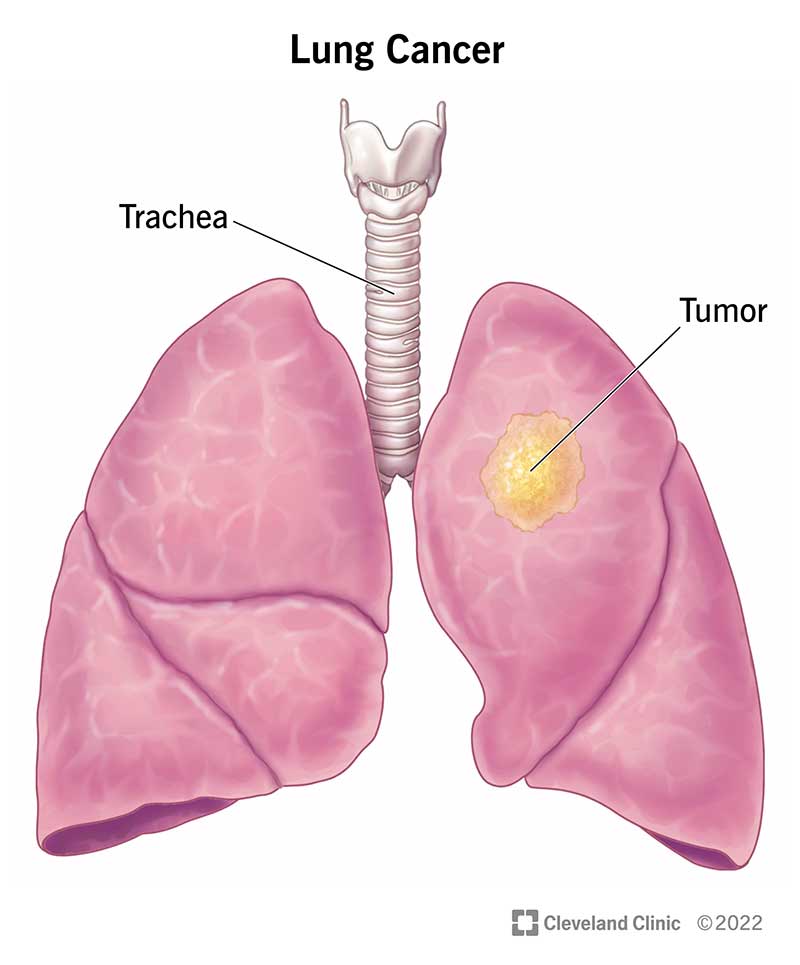
Lung cancer
Lung cancer is the third most common cancer in the U.S. It's caused by harmful cells in your lungs growing unchecked. Treatments include surgery, chemotherapy, immunotherapy, radiation and targeted drugs. Screening is recommended if you're at high risk. Advances in treatments have caused a significant decline in lung cancer deaths in recent years.
Book Now